

Door Lock Materials Guide for B2B Buyers
Compare zinc alloy, stainless steel and brass door locks. Learn how B2B buyers choose lock materials for wholesale and projects.
segulock
7/1/20263 min read
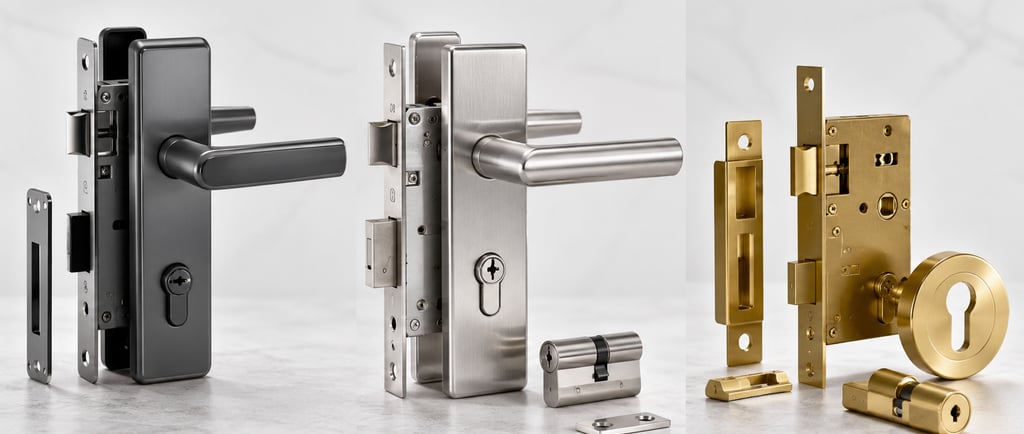
Door Lock Materials Guide: Zinc Alloy, Stainless Steel and Brass for B2B Buyers
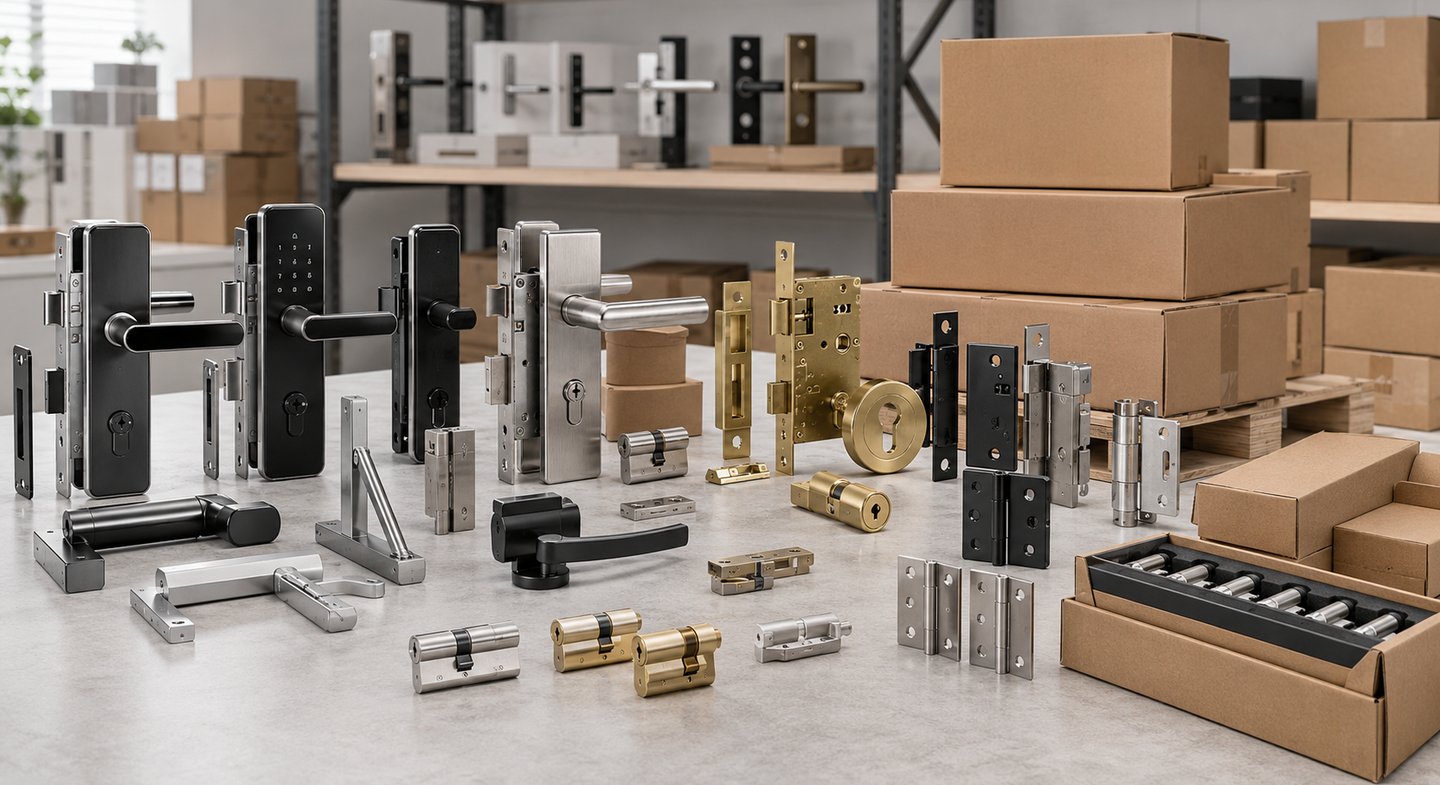
Choosing the right door lock materials is important for hardware importers, lock wholesalers, project buyers and door hardware distributors. Material affects not only product cost, but also durability, surface finish, installation performance and market positioning.
Nasentons provides smart locks, mechanical locks, door hardware and related security products for importers, distributors and project buyers. For B2B customers, understanding the difference between zinc alloy, stainless steel and brass can help build a more practical and competitive product line.
Why Door Lock Materials Matter
A door lock may look similar from the outside, but the material can make a big difference in daily use and long-term sales. For distributors, choosing the right material helps reduce complaints, match local market demand and position products at the right price level.
Before ordering door locks in bulk, buyers should confirm material, finish, door type, installation requirements, packaging and repeat supply stability.
Zinc Alloy Door Locks
Zinc alloy is commonly used for lock handles, panels and decorative parts because it supports flexible design and various surface finishes. It is often selected for residential locks, handle locks and smart lock panels.
The main advantages of zinc alloy include:
Flexible product design
Good surface finish options
Suitable for modern lock appearance
Practical cost for wholesale markets
Good choice for residential and retail channels
For hardware distributors, zinc alloy locks can offer a good balance between appearance, function and price. They are suitable for customers who want attractive designs without moving into very high-cost product levels.
Stainless Steel Door Locks
Stainless steel is often selected for durability, corrosion resistance and stronger door hardware applications. It is commonly used in mechanical locks, handles, lock bodies, door hardware and project products.
The main advantages of stainless steel include:
Stronger durability
Better corrosion resistance
Suitable for frequent use
Good for commercial or project applications
More stable image for higher-value products
For entrance doors, metal doors, public areas or project supply, stainless steel can be a practical option. It may cost more than some other materials, but it can support stronger product positioning and longer service life.
Brass Components in Door Locks
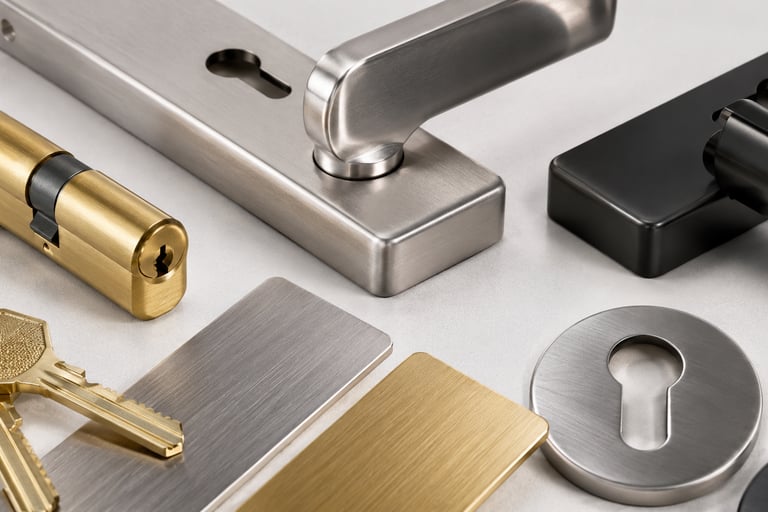
Brass is commonly used in cylinders, keys and lock cores because of its machining performance and stable quality. In many mechanical lock products, the cylinder and key system are important parts that directly affect user experience.
Brass components are often valued for:
Smooth machining
Stable key operation
Good wear performance
Reliable use in lock cylinders
Higher perceived product quality
For B2B buyers, brass is especially important when checking cylinders, keys and internal lock components.
Material Choice for Smart Locks
Smart locks often use a combination of materials. For example, some models may use aluminum alloy, zinc alloy, ABS, stainless steel or other components depending on structure and price level.
For smart lock panels, buyers should consider not only appearance, but also strength, surface finish, battery structure, waterproof rating and installation environment. A smart lock for an indoor apartment door may have different material requirements from an outdoor smart gate lock.
What B2B Buyers Should Check Before Ordering
Before choosing mechanical locks, smart locks or door hardware, buyers should check:
Main material
Surface finish
Lock body structure
Cylinder and key material
Door type and door thickness
Application scenario
Packaging method
OEM logo options
Sample testing
Long-term repeat supply
Material choice should match the target market. Entry-level retail channels may need cost-effective models, while project buyers and premium distributors may prefer stronger materials and higher-value finishes.
FAQ About Door Lock Materials
Which material is best for door locks?
There is no single best material for every lock. Zinc alloy is good for design and finish, stainless steel is suitable for durability and project use, and brass is often used for cylinders and keys.
Is zinc alloy suitable for mechanical locks?
Yes. Zinc alloy is widely used in handles, panels and decorative lock parts. It is practical for residential and wholesale markets.
When should buyers choose stainless steel locks?
Buyers should consider stainless steel for stronger durability, better corrosion resistance, commercial doors, entrance doors or project applications.
What information should buyers provide before requesting a quote?
Buyers should provide lock type, material preference, finish, quantity, door application, packaging needs, target market and OEM requirements.
Work with a Door Lock Supplier for Your Market
The right door lock material can help distributors build a stronger product line for local sales, wholesale channels and project supply. Whether you need mechanical locks, smart locks or door hardware, material selection should match your market, price level and customer expectations.
Contact Nasentons with your target market, quantity, door type and product requirements. Our team can help recommend suitable models and prepare a wholesale quotation for your business.
Get in touch
Address
Room 3060, Area C, No. 544 YaYun Avenue, Dalong Street, Panyu District, Guangzhou, Guangdong Province, China